
CNC cutting & sawing
Linear motors, guides, and ballscrews move cutting tools freely with exceptional speed and accuracy.
Metal Fabrication
Linear guides, ballscrews, and linear motors for cutting, sawing, bending, forming, and assembly, reducing production times and enhancing equipment accuracy across the fab shop.
0
Backlash — linear motors eliminate it on contoured cuts
High-load
Guides and ballscrews built for bending and forming pressure
Non-contact
Linear motor internals — less wear, longer tool service life
Applications
From the first cut to final assembly, HIWIN components guide the tools and workpieces that turn stock into finished parts.
Linear motors, guides, and ballscrews move cutting tools freely with exceptional speed and accuracy.
Guides and ballscrews deliver precision under the extreme pressure compressive forming demands.
Welding, riveting, and joining equipment relies on quick, dependable linear motion.
Zero-backlash linear motors interpolate contours smoothly at speed for clean-edged profiles.
Low-vibration motion significantly enhances the accuracy of small cutters and fine finishes.
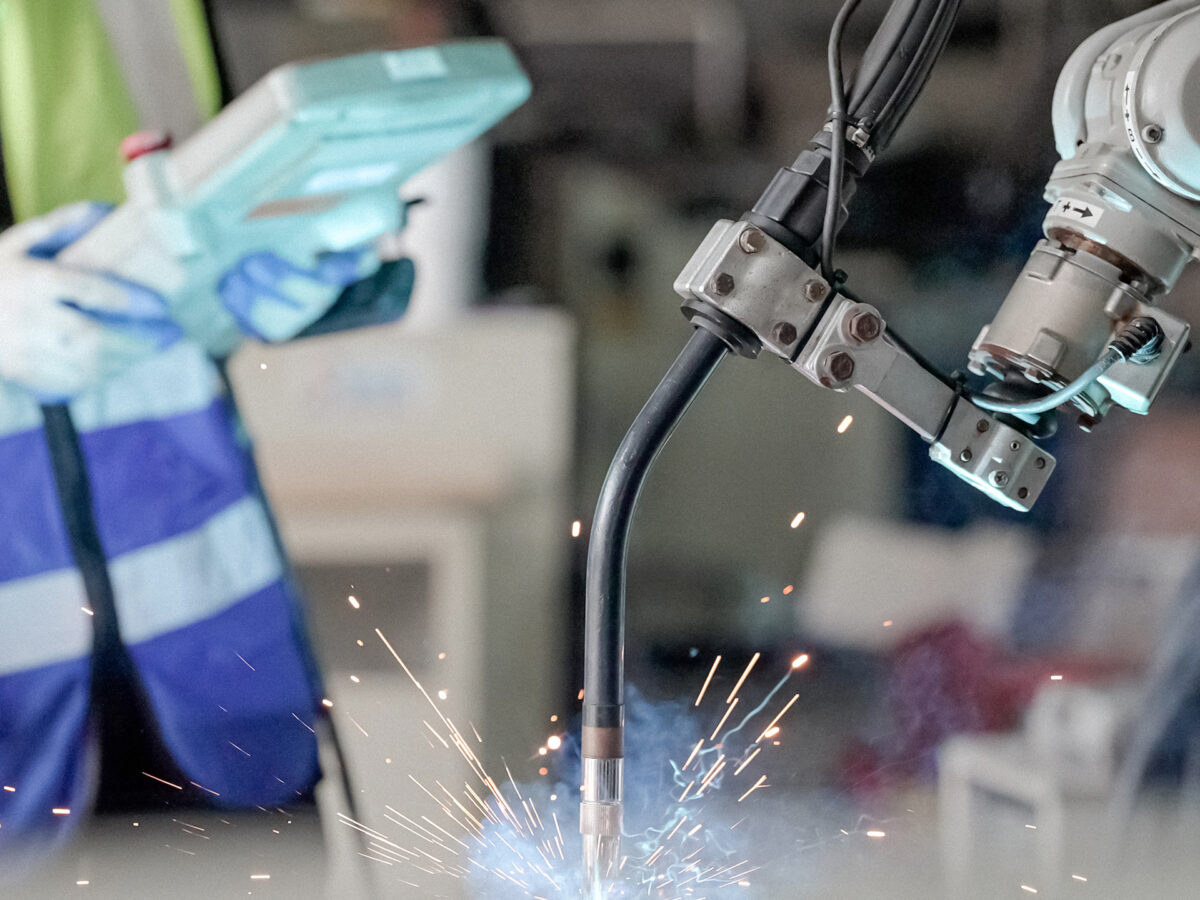
Welding robots and automated loading keep repetitive fabrication tasks moving without fatigue.
Why HIWIN
Metal fabrication bends, forms, saws, cuts, and assembles metal sheets, plates, and blanks into finished products, and every one of those processes lives or dies on motion control. CNC cutting demands accurate cuts within tight tolerances; bending demands reliable control under extreme pressure; automated assembly demands quick, dependable motion, shift after shift.
HIWIN motion technology serves each of them: linear guides and ballscrews that hold precision under the high loads of bending and forming, and linear motors whose stability eliminates backlash entirely, contouring and interpolating metal components with low vibration that measurably improves the accuracy of small cutters. Because linear motor components never contact each other, wear drops, tool service life extends, and operating costs fall.
Products
CNC machines · Press brakes
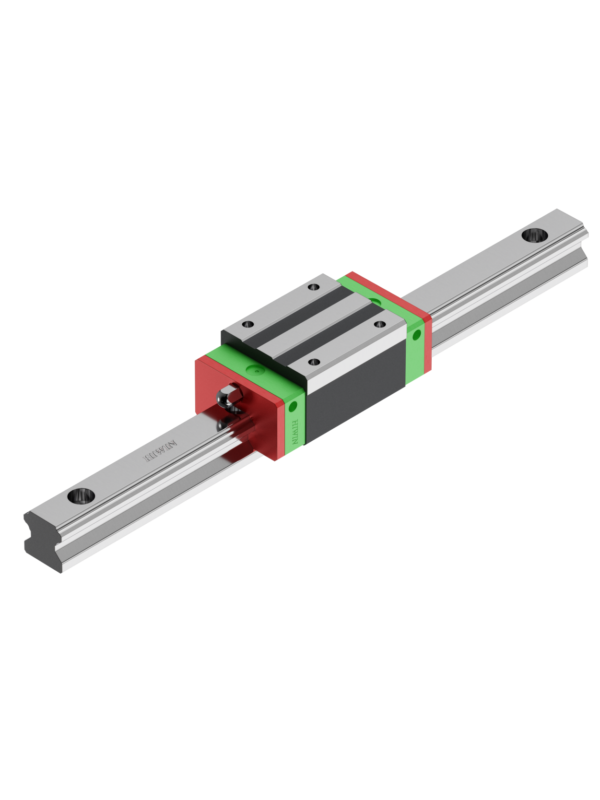
Guide tools and workpieces with the rigidity to hold tolerance under high cutting and forming loads.
Cutting · Bending · Forming
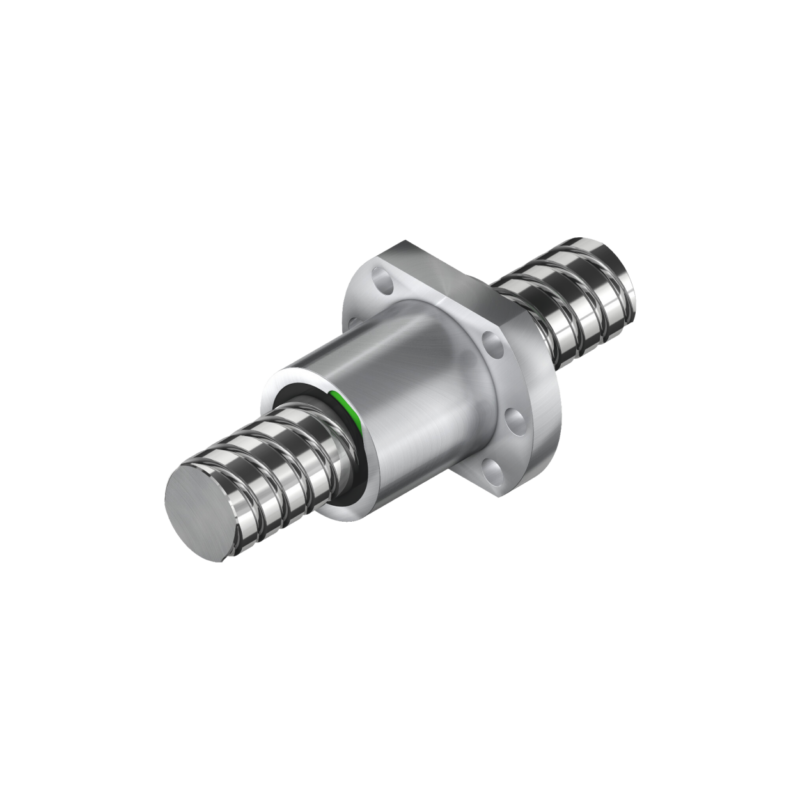
The proven drive for fabrication axes: precision under load, with rolled and ground options to match the tolerance budget.
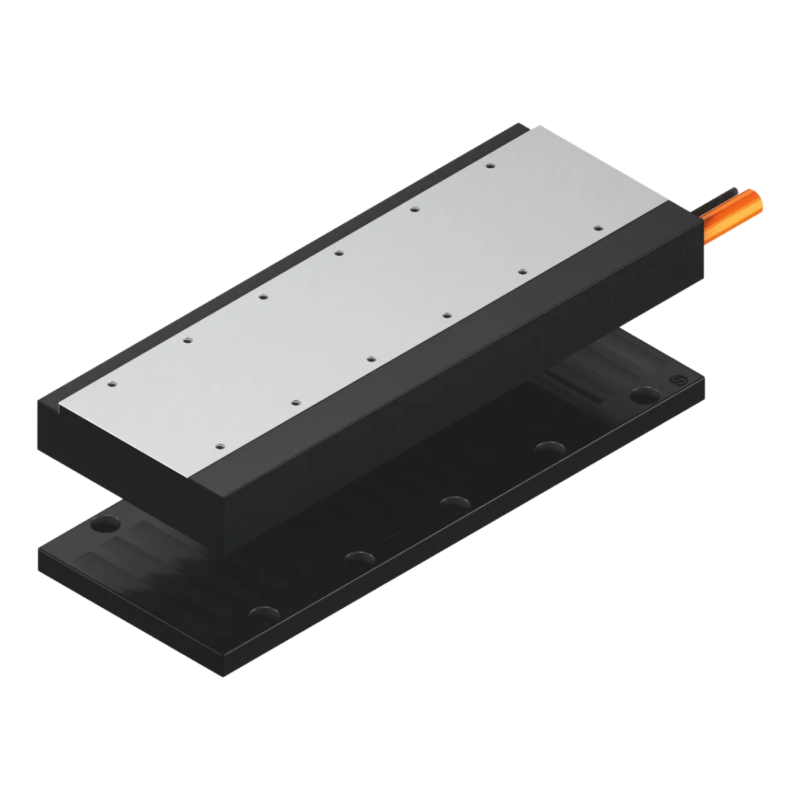
Contouring · High-speed axes
Zero backlash, low vibration, and non-contact internals: faster traverse and finer interpolation than rotary-plus-ballscrew arrangements.
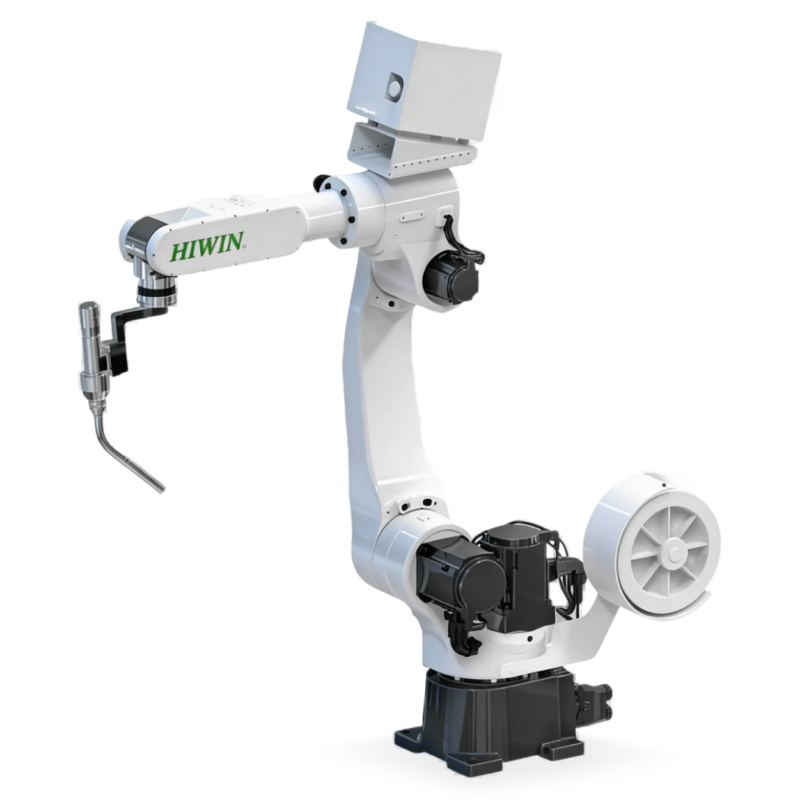
Automated assembly
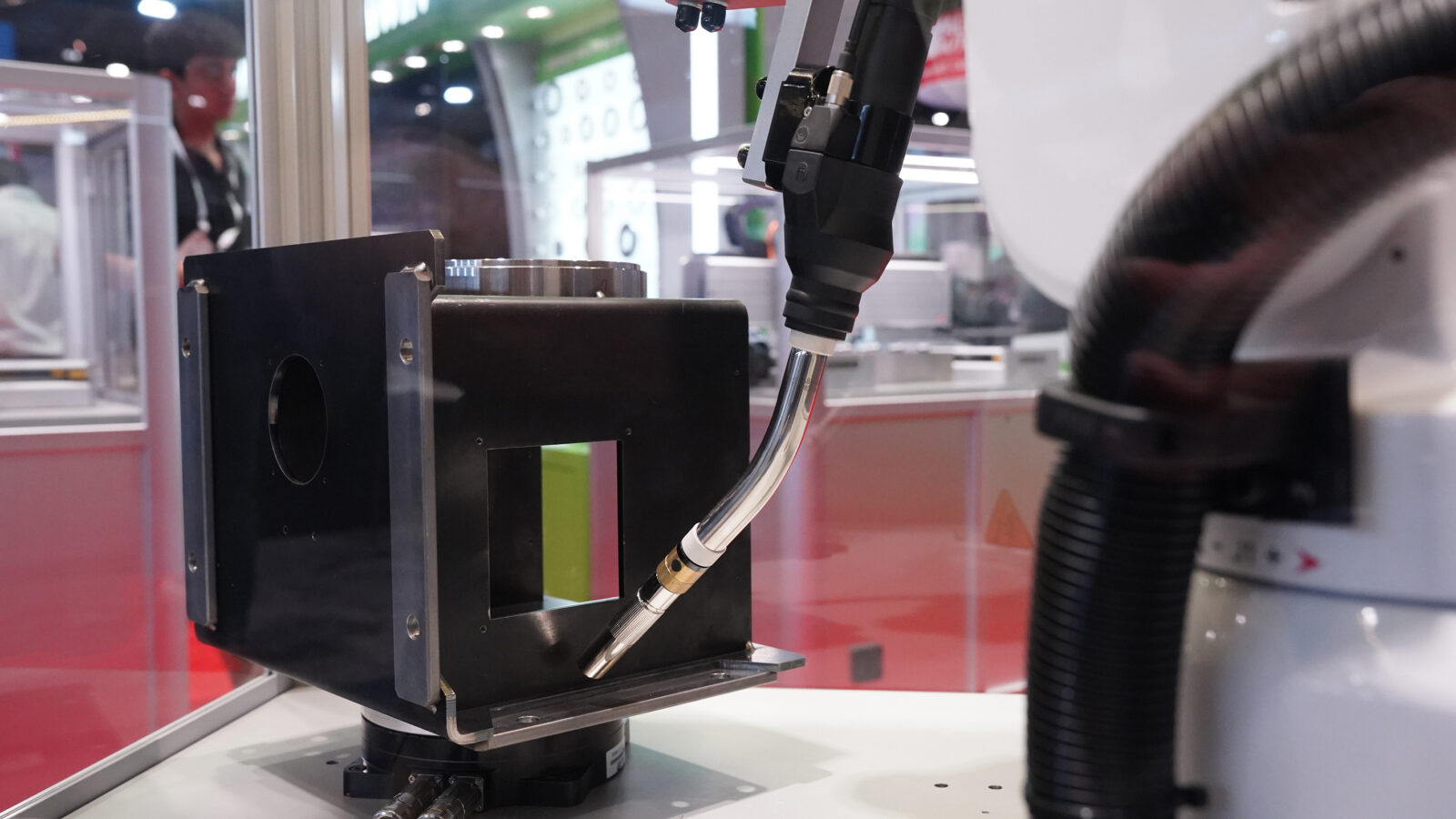
Robust hardware with welding software compatible with the leading industrial brands, automation for the joining end of the fab shop.
Researching a design? Download catalogs and application notes →
Application story
A fab shop cutting structural profiles wanted more throughput from an aging plasma table without giving up edge quality. Working with HIWIN application engineering, the shop re-fit the gantry axes with HIWIN linear motors and guideways, eliminating the backlash the old rotary-plus-ballscrew drive needed software to compensate, raising traverse speed, and cutting vibration at the torch. The same motion package now anchors the shop’s plan for a second table.
“The old ballscrew drive was solid but we were leaving speed on the table. On linear motors the gantry traverses faster, contours cleaner, and we stopped chasing backlash compensation entirely.”
0
Backlash to compensate on contours
40%
Faster gantry traverse between cuts
2×
Consumable life at the cleaner-running torch
FAQ
Still weighing a design decision? Ask an application engineer →
Linear motors eliminate backlash, move faster than traditional rotary equipment, and let users control material flow by accelerating and decelerating as needed. Their component parts are not in contact, which significantly reduces wear over time, while the tried-and-true rotary-plus-ballscrew combination remains a dependable, economical choice for many axes.
Yes. HIWIN linear guides and ballscrews provide ideal performance in bending and forming applications where precision under high loads is critical: the extreme pressure of compressive forming is exactly what they are specified for.
Linear motors operate with very little vibration, which significantly enhances the accuracy of small cutters. Machines with linear motors benefit from higher speeds, greater precision, and lower vibration than conventional motor arrangements, visible directly in edge quality.
Yes. Assembly equipment typically relies on linear guides, linear motors, and ballscrews for quick, dependable motion, and HIWIN welding robots add turnkey automation for repetitive joining tasks, with software compatible with the leading industrial welding brands.
Generally yes. Linear motors require less maintenance than traditional motors and prolong tool service life by reducing wear: non-contact internals plus smoother, more efficient motion mean less friction, lower energy usage, and lower operating costs.
Metal Fabrication